Our Customer Support team is dedicated to providing exceptional service, ensuring your needs are met promptly and efficiently. Whether you have questions, need assistance with your order, or require help resolving an issue, our knowledgeable and friendly representatives are here to help.
As you plan your job site workspace—or combine office space with on-site storage—you may wonder about sizing, delivery, permits, utilities, billing, and rental terms. Find answers to common questions below. If you don't find what you need, please contact our customer care team 888-271-4003.
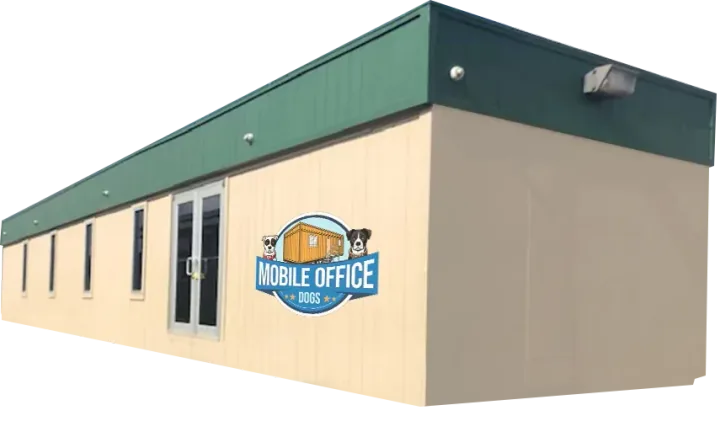
A mobile office is a portable, climate-controlled workspace delivered to your site. Mobile offices are commonly used for construction sites, commercial projects, temporary offices, and remote workforce needs.
Mobile offices come in several common formats: single-wide for small teams or check-in; double-wide for larger crews; office trailers for job-site supervision; modular units for longer-term or expandable needs; and office and storage combo units when you need workspace and secure storage together.
Most rentals are structured on a monthly basis, which fits construction timelines, seasonal projects, and phased work. Short-term needs (a few months) and longer multi-month or rolling renewals are common. Your agreement will spell out minimum term, renewal, and pickup notice so you can align the rental with your schedule.
Yes. Many job sites need both climate-controlled workspace and secure storage for tools, materials, or inventory. Combo-style units pair office and storage in one placement; alternatively, you can rent a mobile office and add storage containers or other site services on the same project. Tell us how your crew works and we’ll help size both pieces.
Units are built as usable workspace: insulated walls, doors, windows, lighting, and HVAC for heating and cooling. Floor plans vary by model and may include desks, plan tables, or open layout. Optional add-ons (steps, ramps, skirting, holding tanks, etc.) depend on your site and local requirements—ask your rep what applies to your quote.
Size for who is in the trailer at the same time, not your total headcount on site. A superintendent, two coordinators, and occasional visitors need more workable space than a single PM who is mostly in the field. As a rule of thumb, a compact or single-wide layout often fits roughly one to four people working inside at once—desk work, quick huddles, and paperwork. If you regularly host trade meetings, plan reviews, safety briefings, or several staff with desks at once, plan for a double-wide or larger so people aren't elbow-to-elbow and you keep walkways clear.
Your construction site footprint matters too. Large sites may have more room for setback from active work, parking, and equipment paths—but you still need a level pad, turn space for delivery, and a route the truck can use safely. Tight lots, street-side placements, or phased work areas sometimes favor a smaller single unit or a specific orientation so you don't block gates or laydown. Share your peak occupancy, typical meetings, and any access or space limits with your rep; they'll match you to a floor plan and footprint that fits both people and the property.
Single-wide units usually mean a smaller placement, simpler logistics, and enough room for a core field office—think site supervision, inspections, and small team check-ins. Double-wide units add width so you can separate functions: for example a meeting or plan table away from desks, a small private conversation area, or more people comfortably working indoors through weather. If you're unsure, describe a busy Tuesday: how many people are inside together, and whether you need a table everyone can gather around. That picture drives the better starting size; longer or multi-phase projects sometimes move up to modular or combo options as needs grow.
Mobile offices can be placed on construction sites, parking lots, commercial properties, and industrial locations, provided there is a flat surface and delivery access.
Mobile offices are delivered using specialized trucks and trailers designed to safely place the unit at your site. Clear access and sufficient space are required.
You’ll want a firm, level area with enough room for the truck to maneuver and set the unit. Surfaces are often compacted gravel, asphalt, or concrete. Crews typically block, level, and tie down the office per manufacturer and local practice. Soft, wet, or steep sites may need grading or mats—share photos or site details early so we can flag issues.
It depends on location, duration, and how you use the unit. On many active construction projects the office may fall under the main job-site permit, but municipalities differ. Long-term placement, public-facing use, or residential areas often trigger separate permits. You are responsible for confirming local rules with your building or zoning office before delivery; we can work with your schedule once requirements are clear.
The rental office is delivered ready to connect; bringing power (and water, if applicable) to the unit is normally the customer’s side of the job, using a licensed electrician or plumber when codes require. Panel capacity varies by unit size—your quote packet should list what the trailer is built for so your electrician can plan a temporary service or generator feed safely.
Rental companies commonly expect the customer to carry general liability and appropriate property or builders-risk coverage for the job site. Exact limits and named insureds are defined in your rental agreement. If you’re unsure, ask your broker and our team for the typical requirements on your contract.
Mobile office rental pricing depends on size, floor plan, options (ramps, skirting, etc.), rental duration, delivery distance, and site conditions. Bundling other site services can simplify billing. Contact us for a fast, no-obligation quote tailored to your dates and location.
Yes. Mobile Office Dogs offers longer billing cycles for many customers once a short credit review is completed. We do not set up weekly payment schedules for mobile office trailers; approved accounts are typically invoiced monthly or on another cycle that matches your agreement and rental term. If the review is still in progress, we may ask for a deposit or alternate payment arrangement until approval is finalized—your rep will outline the exact steps and timeline. This process helps us keep pricing competitive for qualified businesses and longer-term projects.
Accepted methods and any delivery, pickup, damage waiver, or minimum-term charges are listed on your agreement. Taxes and permit costs (if any) are usually billed per local rules. Questions about a specific invoice? Reference your contract number and reach out to customer care—we’ll walk you through line items.
We’re here to help make your project simple and stress-free. If you didn’t find the answer you were looking for, our team can walk you through sizing, pricing, and scheduling in just a few minutes.
Call us at (888) 647-3574
Or Request a Free Quote Online
Our specialists are available nationwide to guide you through the process and make sure you get the right site services for your needs.